
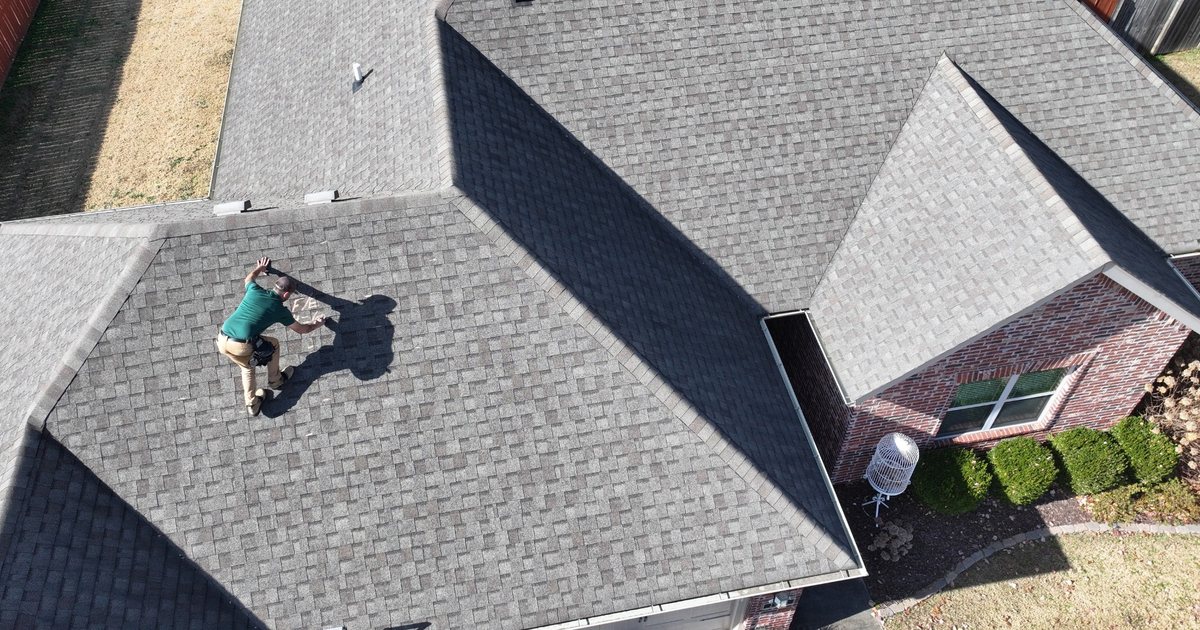
A roof replacement sounds like a disruptive, weeks-long project. On most homes, it isn't. The roofing itself usually takes a day or two, and much of the real timeline happens before the crew ever arrives: inspection, material selection, ordering, and scheduling.
Here's what to expect from first inspection to final cleanup, and the factors that stretch a one-day job into three.
The Short Answer
According to GAF, an asphalt shingle roof replacement on an average-sized home can often be completed in one to two days. That matches what homeowners in Monroe, Shreveport, Baton Rouge, and our other markets typically see for a straightforward re-roof.
Larger, steeper, or more complex roofs take longer. So do premium materials. A rough guide:
| Roof Type | Typical Time on the Roof | What Drives It |
|---|---|---|
| Asphalt shingles, average home | 1–2 days | Size, pitch, tear-off layers |
| Asphalt shingles, large or complex | Several days | Many valleys, dormers, steep sections |
| Metal roofing | Longer than shingles | Panel fabrication, trim and flashing detail |
| Tile or slate | Longest of the common systems | Hand-set material, weight, careful handling |
Those are on-site working times. They don't include the days between signing and the install date.
Before Install Day: The Part Homeowners Don't See
Inspection and Estimate
Every replacement starts with an on-site inspection: measuring the roof, checking the deck from the attic, looking at ventilation, and documenting problem areas. That's followed by a written estimate and your material and color selections.
Materials and Scheduling
Once you sign, materials are ordered and the job goes on the calendar. Standard shingles are usually available quickly. Specialty colors, metal panels, and tile can take longer to arrive. Where a permit is required, it's pulled before work starts.
Delivery
Materials typically arrive a day or so before the crew, either on pallets in the driveway or loaded directly onto the roof. A dumpster or trailer for tear-off debris is usually placed at the same time.
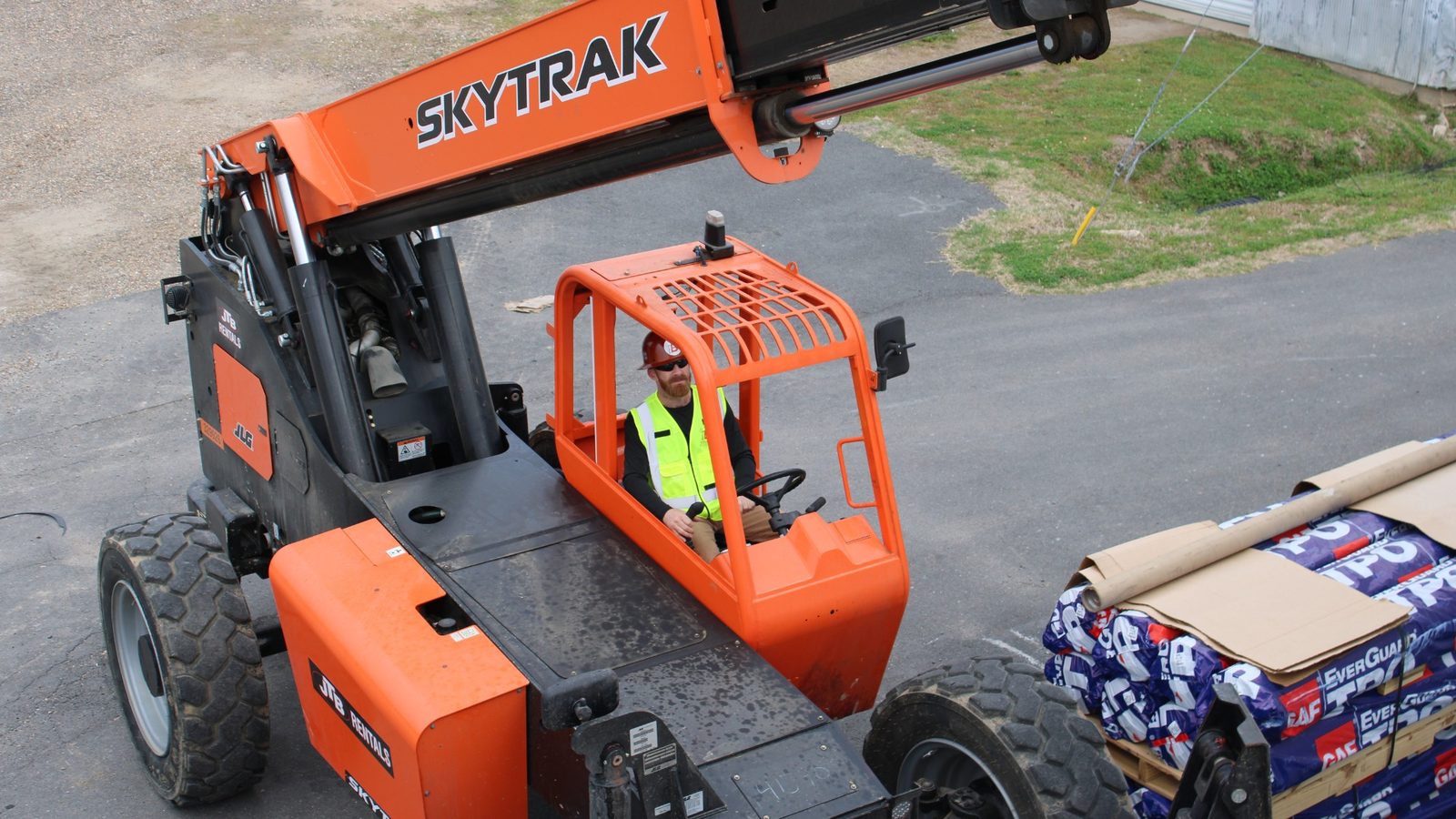
Above: a telehandler staging shingle bundles. Loading materials efficiently is part of what keeps install day on schedule.
Install Day: What Happens, Step by Step
On a typical one-to-two-day asphalt shingle replacement, the work follows the same sequence:
- Site protection. Ground tarps go down over landscaping, and the crew sets up fall protection. OSHA's fall protection standards apply to residential roofing work, and setup is the first job of the morning.
- Tear-off. The old shingles, underlayment, and worn flashing are stripped down to the deck and loaded into the dumpster or trailer.
- Deck inspection and repair. With the deck exposed, the crew checks for rot and soft spots. Damaged sheathing is replaced before anything new goes down.
- Drip edge and underlayment. New drip edge goes on, followed by underlayment across the deck and ice-barrier membrane in valleys and other vulnerable areas.
- Flashing and shingles. Starter strip, field shingles, and new flashing at walls, chimneys, and penetrations are installed course by course.
- Ventilation and ridge. Ridge vent or other exhaust ventilation is installed, then capped with hip and ridge shingles.
- Cleanup and final walk. The crew removes debris, runs magnetic sweepers for nails, and walks the finished roof and property.
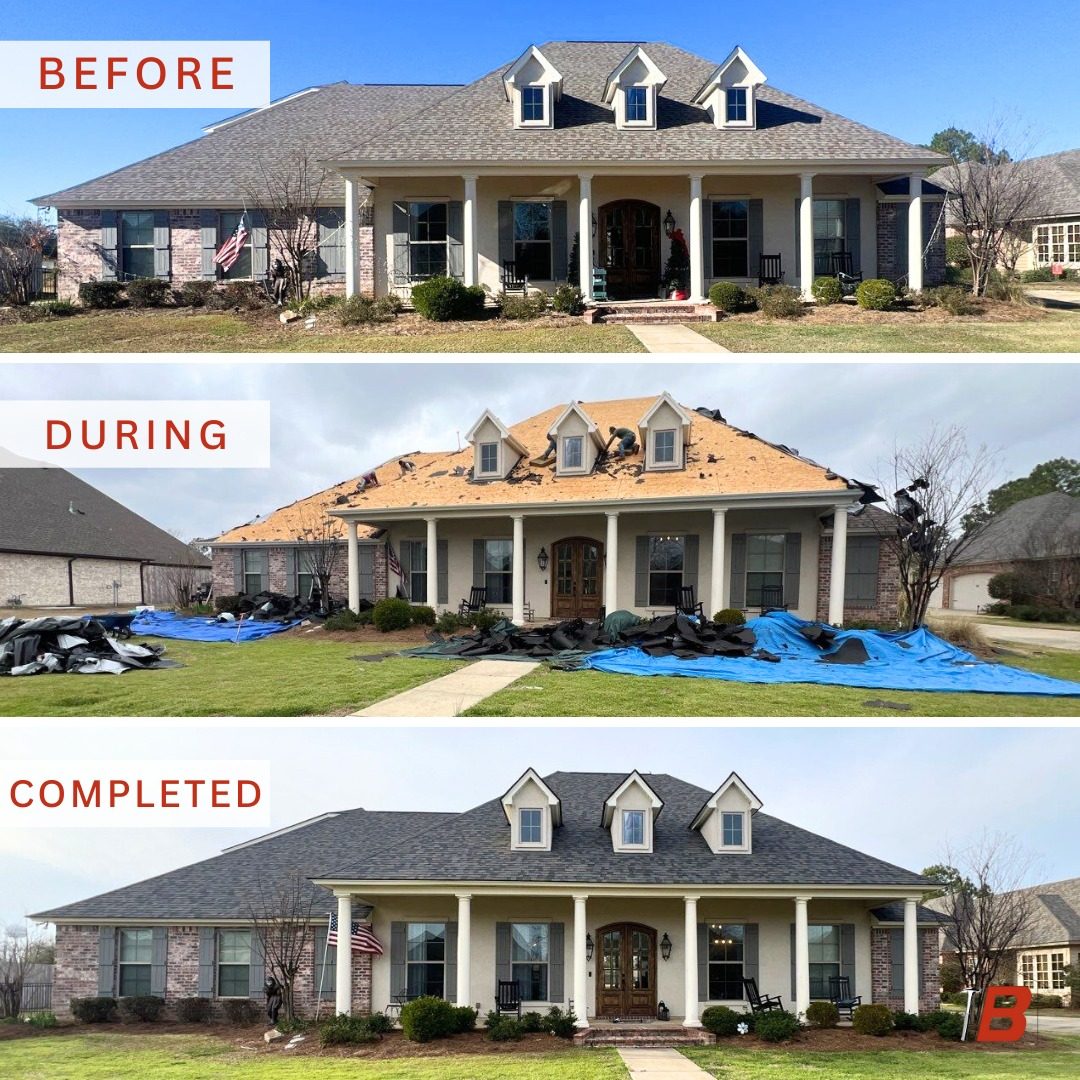
Above: the same home before, during tear-off, and completed. On a typical home, the middle stage is measured in hours, not weeks.
What Can Make a Roof Replacement Take Longer
- Weather. Rain shortens workdays or pushes the job back. On cold mornings, frost can delay the start until it melts. Our guide on whether you can replace a roof in winter covers cold-weather installs in detail.
- Rotted decking. Damaged plywood has to be replaced before new roofing goes on, which can add hours or a full day.
- Steep pitch. Roofs steeper than roughly 8:12 require additional safety equipment and slow the work.
- Complexity. Multiple valleys, dormers, skylights, and chimneys mean more cutting and more flashing.
- Multiple layers. Tearing off two layers of old shingles takes longer than one.
- Access. Tight lots, fences, and landscaping can slow material staging and debris removal.
- Ventilation corrections. Fixing a poorly vented attic adds time but pays off in roof life.
- Upgrades. Systems like FORTIFIED, which require a sealed roof deck and enhanced nailing, add steps compared with a standard install.
How to Prepare Your Home for Roof Replacement Day
- Move vehicles out of the garage and driveway the night before so materials and the dumpster can be placed.
- Clear the attic below the roof or cover stored items with sheets. Tear-off vibration knocks dust and debris loose.
- Take down wall hangings on top-floor rooms. Hammering and nailing vibrate through the framing.
- Plan for pets and kids. The noise is constant during working hours, and the yard has active equipment.
- Mark sprinkler heads, septic lids, and anything fragile in the yard so the crew can protect them.
- Let your neighbors know. A heads-up about noise and a dumpster goes a long way.
Frequently Asked Questions
Can I stay home during a roof replacement?
Yes. Most homeowners stay home. Expect steady noise during working hours and limited use of the driveway and parts of the yard.
Is my house exposed to the weather during the replacement?
Only briefly, and only in sections. Crews tear off and dry-in the roof in stages so the deck is covered with underlayment before the end of each day.
How long does a metal roof replacement take?
Longer than an asphalt shingle roof of the same size, because panels, trim, and flashing require more precise detailing.
How long does a commercial roof replacement take?
It depends on square footage, the system being installed, and whether the building stays occupied. Commercial projects are typically planned in phases and measured in weeks.
What happens if it rains in the middle of my roof replacement?
The crew stops tearing off, dries-in any open areas with underlayment, and resumes when conditions allow.
How soon after signing can my roof be replaced?
That depends on material availability, permits, weather, and the season's workload. Your roofer should give you a target date when you sign.
Get a Clear Timeline for Your Roof
Every roof is different, and the best timeline estimate comes from someone who has been on yours. Brown's Roofing provides free, no-obligation inspections from our offices in Monroe, Shreveport, Baton Rouge, Lafayette, Little Rock, and Wichita, with a written estimate and a realistic schedule. Pricing depends on roof size, slope, complexity, access, and material specification — we provide a written estimate after a free on-site inspection. Call (318) 329-6579.