
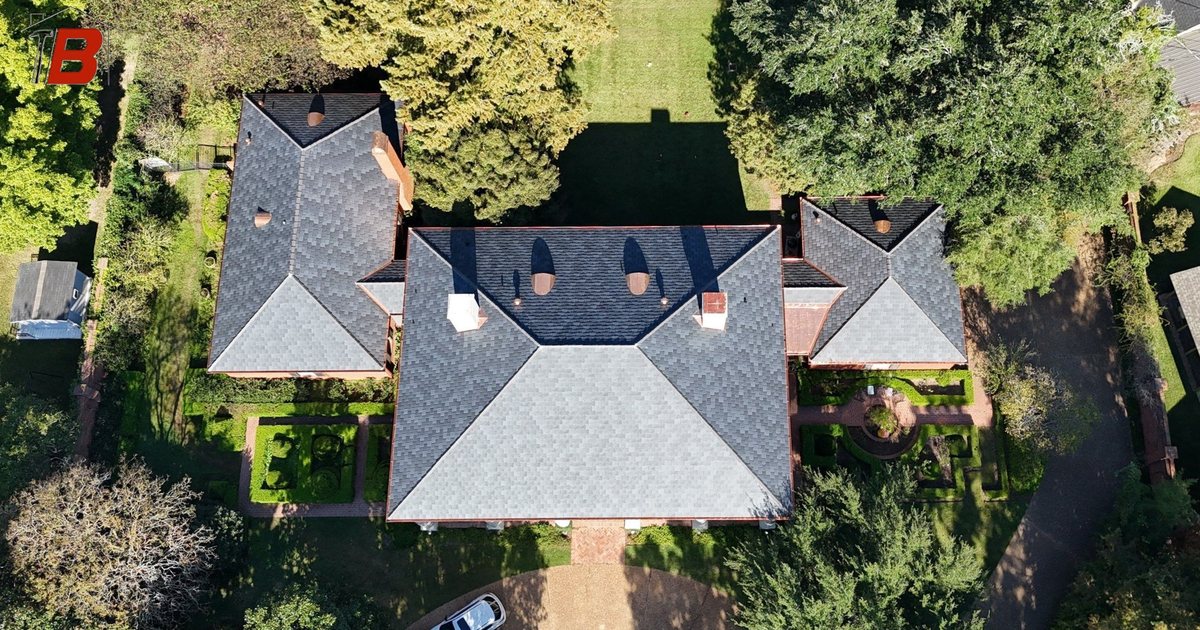
Ask ten roofers how long a roof lasts and you'll hear "it depends" ten times. That's the honest answer, but it isn't a useful one. The material sets the ceiling, and installation quality, attic ventilation, and climate decide how close a roof gets to it. In Louisiana, Arkansas, and Kansas, climate does more of that deciding than most homeowners expect.
Below are the published lifespan ranges for every common roofing material, what shortens them in our region, and the signs that a roof is nearing the end.
Roof Lifespan by Material
The figures below come from the InterNACHI estimated life expectancy chart, the reference most home inspectors use. Treat them as best-case benchmarks for a well-installed roof, not a guarantee.
| Material | Typical Lifespan | Relative Cost | What Shortens It Here |
|---|---|---|---|
| 3-tab asphalt shingles | ~20 years | Lower-cost | Heat, UV, wind blow-offs |
| Architectural asphalt shingles | ~30 years | Mid-tier | Heat, poor attic ventilation, hail |
| Metal (steel, standing seam) | 40–80 years | Higher | Fastener and sealant wear, wrong metal pairings |
| Copper | 70+ years | Top-of-market | Very little when detailed correctly |
| Clay or concrete tile | 100+ years (tile itself) | Premium | Underlayment aging, broken tiles from foot traffic |
| Natural slate | 60–150 years | Top-of-market | Corroded nails and flashing, careless repairs |
| Synthetic slate | 10–35 years | Higher | Product quality varies widely |
| TPO (low-slope) | 7–20 years | Mid-tier | Seam quality, ponding water, membrane thickness |
| Modified bitumen | ~20 years | Mid-tier | Ponding water, UV on unprotected surfaces |
Two things stand out. First, the range inside each material is wide, and where a roof lands in that range is mostly about workmanship and environment. Second, the long-life materials (tile, slate, copper) are rarely limited by the surface you see. They're limited by what's underneath it.
Asphalt Shingles
Asphalt shingles cover most homes in Monroe, Shreveport, and the rest of our markets, and they are the material most affected by Southern weather. InterNACHI notes plainly that hot climates drastically reduce asphalt shingle life. Sustained heat bakes out the oils that keep shingles flexible, UV breaks down the asphalt as protective granules wear away, and an under-ventilated attic heats the deck from below at the same time.
In practice, a 30-year architectural shingle on a well-ventilated Louisiana home can come close to its rating. The same shingle over a hot, poorly vented attic often won't.
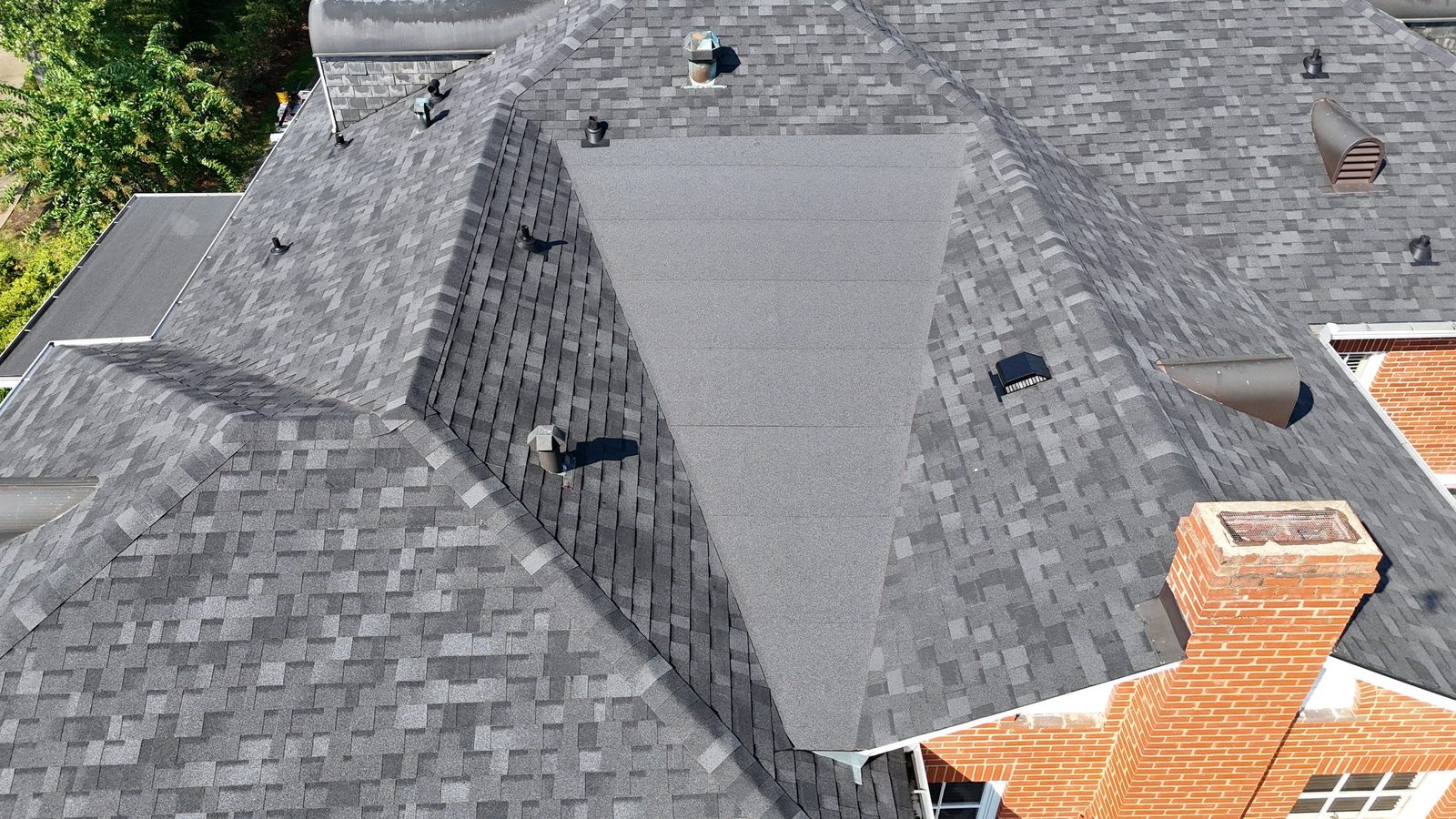
Above: architectural shingles, vents, and valley detailing on a Monroe home. Ventilation and valleys decide how long a shingle roof really lasts.
Metal Roofing
Metal roofing panels routinely outlast the fasteners, sealants, and boots that hold them in place. On exposed-fastener systems, rubber washers dry out and screws back out long before the steel itself fails. Standing seam systems hide their fasteners and generally age better. Copper is in a class of its own, but it has to be paired with compatible metals. Copper in contact with steel or aluminum accelerates corrosion.
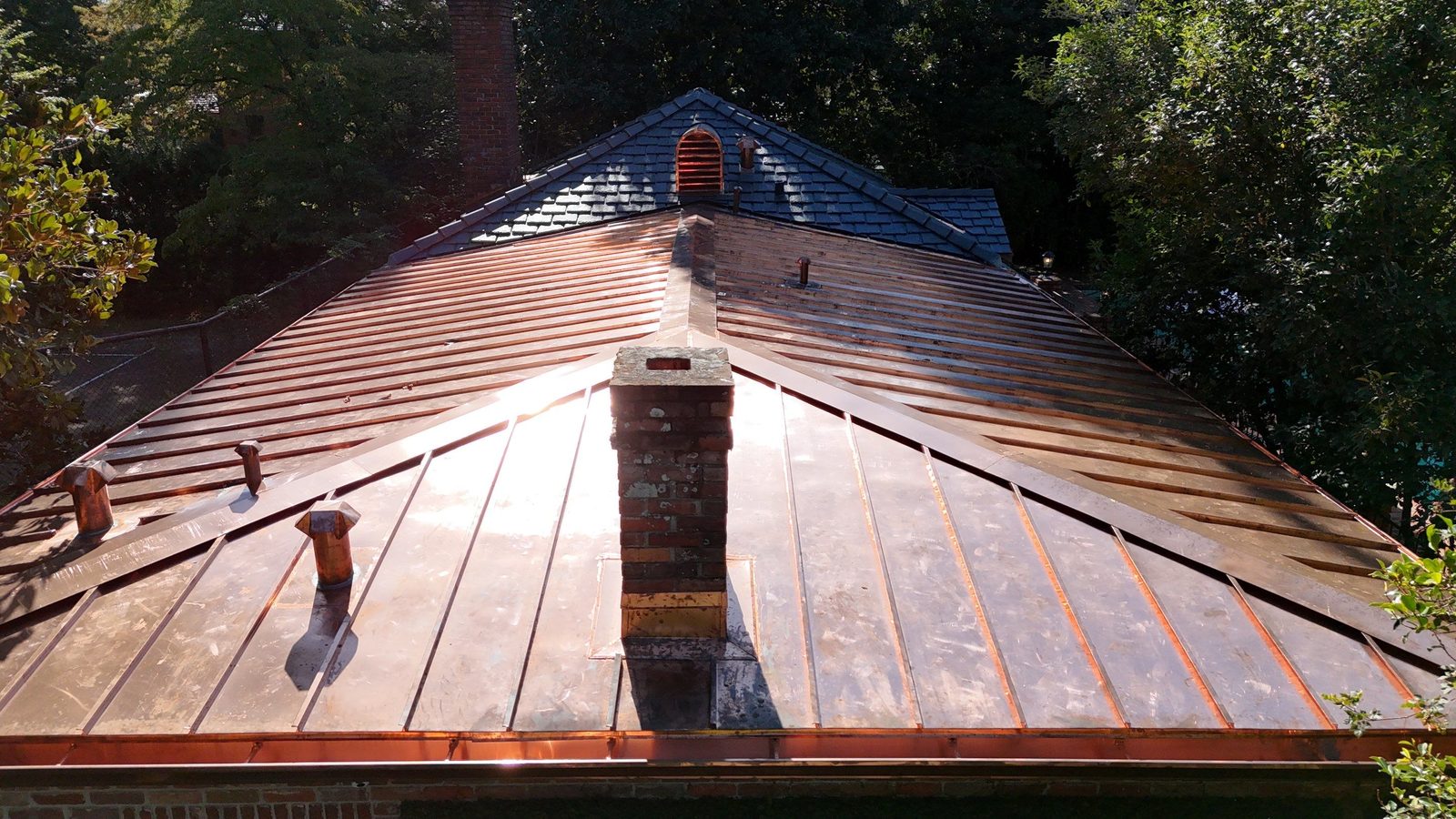
Above: a copper standing seam roof with matching copper vent caps. Matched metals are a big part of copper's lifespan.
Tile and Slate
Clay tile, concrete tile, and natural slate can last a century, but the underlayment, flashing, and fasteners beneath them usually can't. A tile roof that leaks at 25 years rarely needs new tile. It usually needs the tile carefully lifted, new underlayment installed, and the original tile relaid. Slate works the same way: the stone outlives the nails and flashing, so long-term care centers on replacing those components with materials rated to last as long as the slate.
Commercial Low-Slope Roofs
TPO, PVC, and modified bitumen live harder lives than steep-slope roofs because water sits on them longer. Seam welds, drainage, and membrane thickness separate a TPO roof that lasts 20 years from one that's leaking at 10. Restorative roof coatings can extend the service life of a sound membrane, but they don't fix a wet roof — that calls for testing before any coating decision.
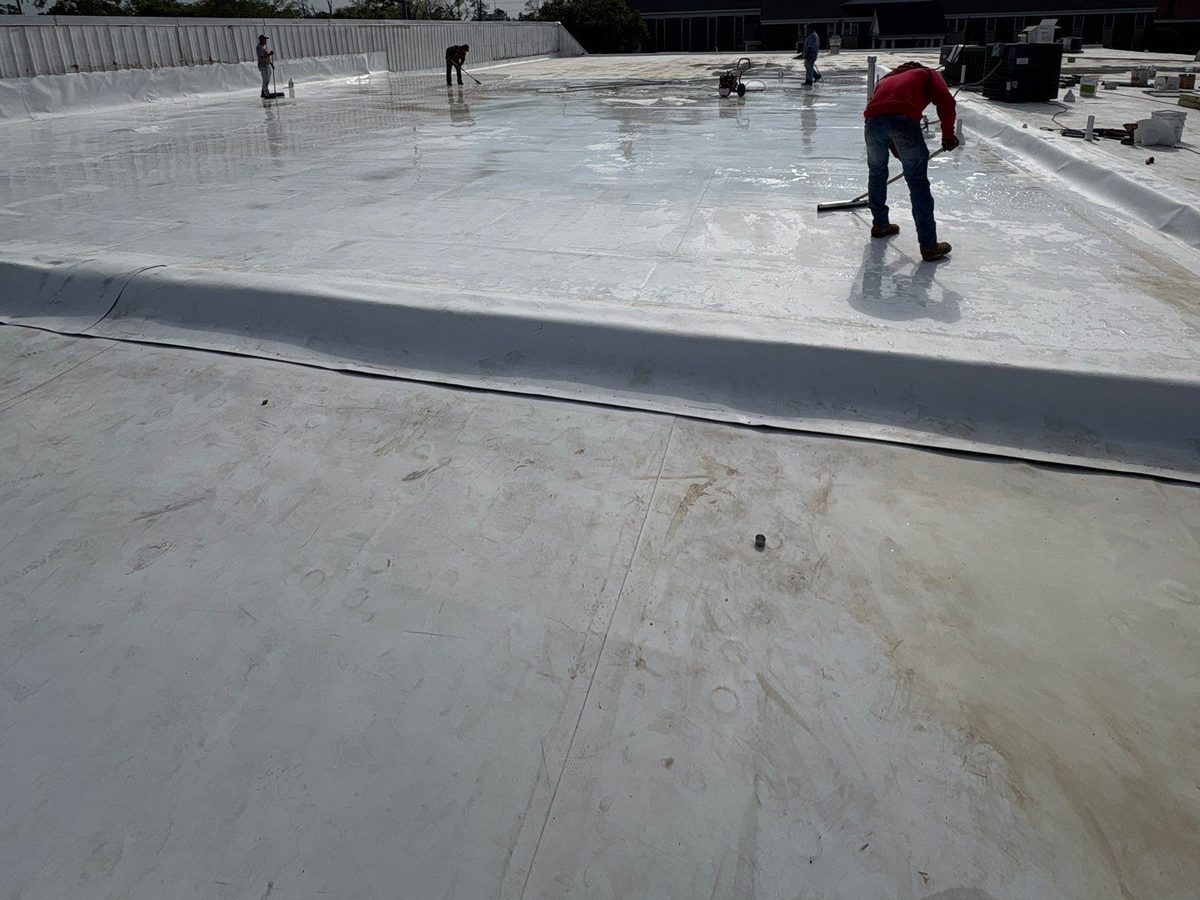
Above: TPO membrane going down on a low-slope commercial roof. Seam quality at install sets the ceiling on lifespan.
What Shortens a Roof's Life in Louisiana, Arkansas, and Kansas
Our six markets share the same core problem: roofs here take more weather per year than the national averages assume. Each region adds its own pressure.
Heat, UV, and Attic Ventilation
From Baton Rouge to Shreveport, long summers mean months of high roof-surface temperatures. Balanced intake and exhaust ventilation is the single biggest factor homeowners can control for a shingle roof. Blocked soffits, mixed exhaust types, or too little net free area all cook the deck and the shingles from below.
Humidity and Moisture
High humidity feeds algae streaking, keeps debris damp in valleys, and rots decking around leaks that go unnoticed. Algae streaks are mostly cosmetic. Trapped moisture is not. Clogged gutters that back water under the drip edge are one of the most common sources of fascia and deck rot we find.
Hail
Little Rock and Wichita see regular hail, and hail is the fastest way to end a roof's life early. Impacts knock granules loose, crack shingle mats, and dent soft metals. A roof can look fine from the ground and still have functional damage that shortens its life by years.
High Wind and Tropical Weather
In Lafayette and Baton Rouge, hurricanes and tropical storms test every edge, ridge, and fastener. Once a shingle's seal strip lets go, that shingle is far more likely to lift again in the next storm. The FORTIFIED Roof standard was built for exactly this: sealed roof decks, ring-shank nails in an enhanced pattern, and stronger edges keep water out even when shingles are lost.
How to Get the Most Years Out of Your Roof
- Get a professional inspection every spring and fall, and after any significant hail or wind event. Small failures caught early stay small.
- Fix ventilation before you replace shingles. A new roof over an attic that can't breathe will age the same way the old one did.
- Keep gutters and valleys clear. Standing water and packed debris are where rot starts.
- Replace failed sealants, pipe boots, and flashing promptly. These components age faster than the roof covering and cause most leaks on otherwise healthy roofs.
- Keep foot traffic off tile, slate, and metal. Most broken tile and slate comes from people walking on it.
- Choose the system for the climate at replacement. Impact-rated shingles in hail country and FORTIFIED construction in hurricane country buy real years, not just warranty language.
Signs Your Roof Is Near the End
Age alone doesn't condemn a roof. Condition does. Watch for:
- Curling, cupping, or cracked shingles, especially on south- and west-facing slopes
- Heavy granule loss showing up in gutters and downspout splash areas
- Shingles that lift or blow off in moderate wind
- Soft spots or visible sagging in the roof deck
- Rust at panel laps and fasteners on a metal roof
- Recurring leaks in different locations rather than one isolated spot
- On flat roofs: open seams, blistering, and water that still stands 48 hours after rain
If you're weighing a fix against a full roof replacement, our guide on whether an asphalt shingle roof is worth repairing or replacing walks through that decision.
Frequently Asked Questions
How long does a shingle roof last in Louisiana?
Architectural shingles are rated around 30 years, but Louisiana heat and humidity often pull real-world life below that. Good attic ventilation and prompt repairs after storms make the biggest difference in how close a roof gets to its rating.
Does a 30-year shingle really last 30 years?
Not automatically. The "30-year" label describes the product under good conditions. Installation quality, ventilation, and the number of hail and wind events a roof sees determine where it actually lands.
Is a roof warranty the same as its lifespan?
No. A warranty describes what the manufacturer or contractor will cover and under what conditions. Lifespan is how long the roof actually performs. Many warranties are prorated or require registered installation and proper ventilation to stay valid.
Which roofing material lasts the longest?
Natural slate, clay tile, and copper have the longest lifespans, often 70 to well over 100 years for the material itself. The underlayment and flashing beneath them need attention long before the surface material wears out.
How long does a flat commercial roof last?
Single-ply membranes like TPO typically last 7 to 20 years, and modified bitumen around 20. Drainage, seam quality, and regular maintenance move a low-slope roof toward the top or bottom of that range.
Can I tell how old my roof is?
Closing documents, permits, or the previous owner's records are the most reliable sources. Without them, a roofer can estimate age from the shingle style, wear pattern, and materials used, which is often more useful than the exact date anyway.
Find Out How Much Life Your Roof Has Left
Brown's Roofing provides free, no-obligation roof inspections from our offices in Monroe, Shreveport, Baton Rouge, Lafayette, Little Rock, and Wichita. We'll document the roof's condition with photos, tell you honestly whether it has years left or needs a plan, and provide a written estimate if work is needed. Call (318) 329-6579 to schedule.