Imagine your roof is like a peanut butter and jelly sandwich. The bread on top is the waterproof layer (like TPO or PVC), the peanut butter is the insulation, and the jelly in between is the coverboard. That jelly layer might seem small, but it holds everything together and keeps the sandwich from getting squished or falling apart. In the same way, a coverboard is a thin but powerful layer in a roofing system that protects and strengthens the roof, making it last longer and work better. At Brown’s Roofing, we know how important this “jelly layer” is, especially for TPO and PVC single-ply roofing systems. Let’s dive into why coverboards are so important and how they can make your roof stronger and more durable.
What Is a Coverboard?
A coverboard is a thin, dense layer that sits between the insulation and the top waterproofing membrane of a roof. While it might not seem like a big deal, it plays a huge role in protecting the roof from damage, making it stronger, and helping it last longer. Coverboards are especially important for single-ply roofing systems like TPO (thermoplastic polyolefin) and PVC (polyvinyl chloride), which are popular choices for commercial buildings.
Key Benefits of Coverboards:
- Impact Resistance: Protects the roof from hail, foot traffic, and dropped tools.
- Wind Uplift Resistance: Helps the roof stay in place during strong winds.
- Thermal Performance: Improves energy efficiency by reducing heat loss.
- Longevity: Extends the life of the roofing system by reducing wear and tear.
Top 5 Reasons to Specify a Coverboard
While coverboards are beneficial for most commercial roofing systems, there are specific situations where they are absolutely essential. Here are the top five reasons to include a coverboard in your TPO or PVC single-ply roofing assembly:
1. Hail-Prone Regions
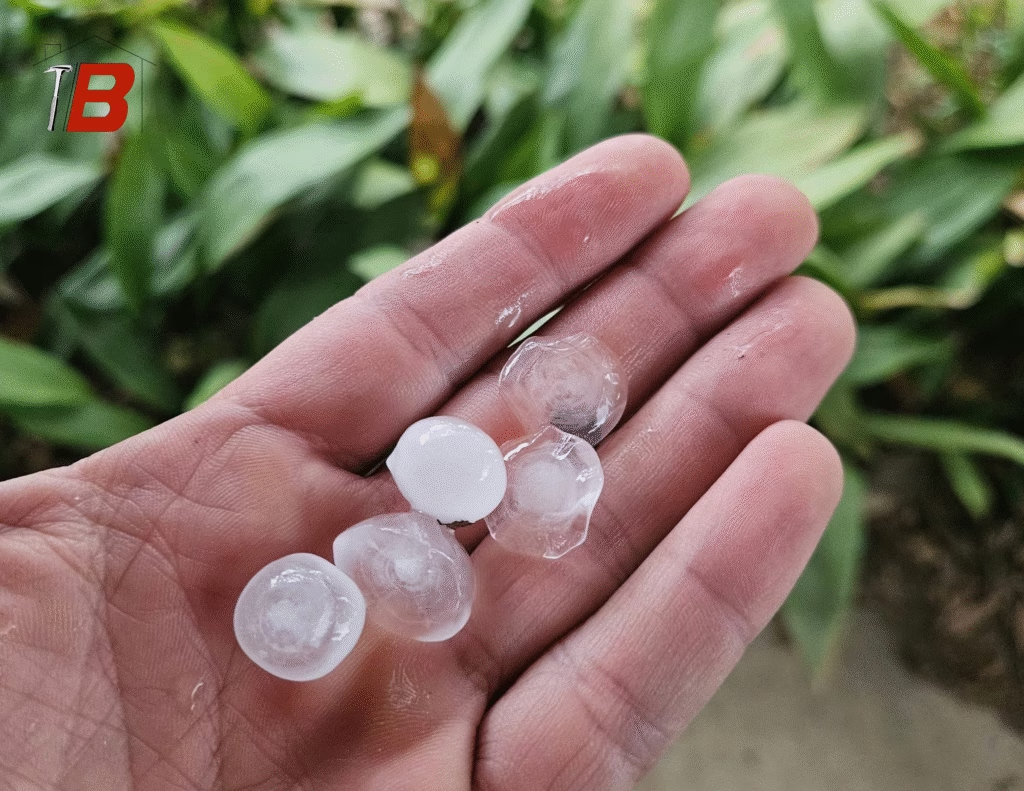
In areas like North Louisiana, Arkansas, and Kansas, hailstorms are a common threat. Factory Mutual (FM) classifies regions by hail severity, and in Very Severe Hail (VSH) zones, a heavy-duty glass-mat gypsum coverboard is often required. These coverboards, such as DensDeck® StormX™ Prime, provide superior impact resistance and help protect the roof membrane from damage caused by hail.
Additionally, adhering both the coverboard and the roof membrane is recommended in hail-prone areas. This method buries fasteners deeper in the assembly, reducing the risk of membrane damage and improving thermal performance. This is especially important for TPO and PVC membranes, which can be vulnerable to punctures at fastener points during severe weather events.
2. Rooftop Solar Installations
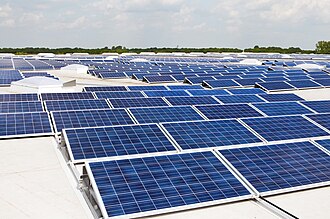
Photovoltaic (PV) panels are a popular choice for commercial buildings, but they add weight and create potential vulnerabilities in the roof membrane. Installing a high-density polyiso (HD ISO) or gypsum coverboard can provide the necessary protection while also increasing wind uplift resistance. HD ISO coverboards, in particular, contribute additional R-value, enhancing the roof’s energy efficiency.
For TPO and PVC roofing systems, the addition of a coverboard ensures that the membrane remains intact and durable under the added stress of solar panel installations. This is critical for maintaining the long-term performance of the roof.
3. Vegetative or Ballasted Roofs
Green roofs and ballasted systems are subject to unique stresses, including additional weight, moisture, and foot traffic. A coverboard acts as a protective layer, reducing the risk of membrane damage and ensuring the roof can handle these challenges. Both HD ISO and gypsum coverboards are excellent choices for these applications.
TPO and PVC membranes are often used in vegetative roof systems due to their waterproofing capabilities. Adding a coverboard enhances their performance by providing a stable base and additional protection against the stresses of overburden.
4. High-Traffic Roofs
Commercial buildings with frequent rooftop access, such as hospitals, schools, and data centers, are at a higher risk of membrane damage from foot traffic and equipment maintenance. Coverboards provide an extra layer of protection, and adding walkway pads in high-traffic areas can further safeguard the roof.
TPO and PVC membranes are commonly used in high-traffic commercial roofing systems because of their durability and flexibility. However, without a coverboard, these membranes can still be susceptible to punctures and wear. A coverboard ensures that the roof remains durable even under heavy use.
5. Lightweight Assemblies
For lightweight roof assemblies, a coverboard enhances durability without adding significant weight. HD ISO coverboards are particularly advantageous as they provide lightweight protection while contributing to the roof’s R-value. This allows for thinner insulation layers, meeting energy efficiency requirements without compromising performance.
TPO and PVC roofing systems are often chosen for lightweight assemblies due to their ease of installation and cost-effectiveness. Adding a coverboard to these systems ensures that they remain resilient and energy-efficient over time.
Types of Coverboards
There are several types of coverboards available, each designed for specific applications. Here are the most common options:
1. High-Density Polyiso (HD ISO)
- Lightweight and easy to install
- High R-value per inch for improved thermal performance
- Moderate compressive strength
- Moisture and mold resistant
2. Gypsum
- Fire-resistant and dimensionally stable
- High compressive strength for impact protection
- Resistant to humidity, moisture, and mold
3. Glass-Mat Gypsum
- Enhanced compressive strength with fiberglass facers
- Fire-resistant and mold-resistant
- Ideal for high-performance applications
Other options include cementitious, perlite, wood fiber, and asphaltic coverboards, which are used for specific roofing systems or budget considerations.
Addressing Value-Engineering Challenges
In some cases, coverboards are targeted in value-engineering efforts to reduce costs. However, omitting this critical component can compromise the long-term performance of the roof, leading to higher repair and replacement costs down the line. At Browns Roofing LA, we believe in future-proofing your investment by designing roofing systems that prioritize durability and resilience.
Why Choose Brown’s Roofing?
As a GAF Gold Level Installer, Browns Roofing is authorized to install 20-Year No Dollar Limit Warranties with a GAF Diamond Pledge Warranty. With locations in Baton Rouge, Shreveport, Monroe, and Little Rock, we serve commercial clients across Louisiana and Arkansas. Our team is committed to delivering exceptional roofing solutions that align with your needs and budget.
Our Core Values:
- Unwavering Honesty: We do the right thing, always.
- Forward Thinking: We anticipate challenges and embrace innovation.
- Standard of Excellence: We deliver industry-leading results.
- Lifelong Relationships: We prioritize customer satisfaction and loyalty.
- Community Service: We strive to make a positive impact in our communities.
Ready to Enhance Your Roofing System?
If you’re considering a TPO or PVC single-ply roofing system or need expert advice on coverboards, Browns Roofing is here to help. Contact us today to schedule a consultation and discover how we can protect your investment with high-quality roofing solutions.