When it comes to commercial roofing, proper drainage is one of the most critical factors in ensuring the longevity and performance of your roof. Roofing drains play a vital role in preventing water accumulation, which can lead to structural damage, leaks, and costly repairs. At Browns Roofing, we specialize in commercial roofing solutions, including flat roofs with modified bitumen and TPO membranes. In this article, we’ll explore the importance of roofing drains, tips for maintaining them, and how our expertise can help you keep your commercial roof in top condition.
Why Are Roofing Drains Important?
Flat roofs, commonly found on commercial buildings, are designed with minimal slope. This makes an efficient drainage system essential to prevent water pooling, which can compromise the roof’s integrity. Roofing drains, such as internal drains, scuppers, and gutters, are engineered to channel water away from the roof surface and protect the building from water damage.
For modified bitumen and TPO roofs, proper drainage is especially crucial. These roofing systems are durable and weather-resistant, but standing water can still lead to issues like membrane degradation, mold growth, and structural stress. Ensuring your roof drains are functioning correctly is key to maximizing the lifespan of your roof.
Types of Roofing Drains for Flat Roofs
Understanding the types of roofing drains available can help you choose the best system for your commercial property:
1. Internal Drains
- Located in the center of the roof and connected to internal piping.
- Ideal for large commercial buildings as they efficiently channel water away from the roof.
- Often paired with strainers to prevent debris from clogging the system.
2. Scuppers
- Openings along the roof edge that allow water to flow into downspouts or away from the building.
- Cost-effective and easy to maintain.
- Best suited for smaller commercial roofs or buildings with parapet walls.
3. Gutters and Downspouts
- Installed along the roof edge to collect and direct water away from the building.
- Commonly used for both residential and commercial properties.
- Require regular cleaning to prevent clogs and overflow.
Tips for Maintaining Roofing Drains on Flat Roofs
Proper maintenance of your roofing drains is essential to avoid costly repairs and ensure optimal performance. Here are some tips from the roofing experts at Browns Roofing:
1. Regular Inspections
- Schedule routine inspections to check for clogs, cracks, or damage in your drainage system.
- Inspect after heavy rainstorms to ensure water is flowing freely.
2. Clear Debris
- Remove leaves, dirt, and other debris from drains, strainers, and gutters.
- Use a soft brush or blower to avoid damaging the roofing membrane.
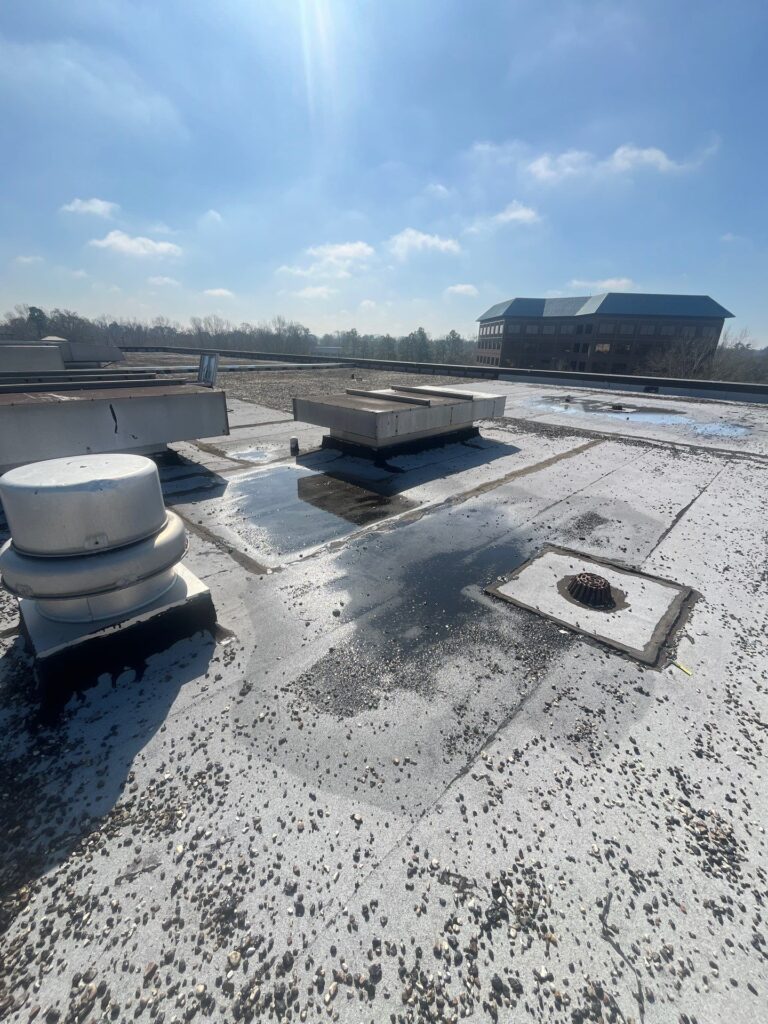
3. Check for Standing Water
- Look for areas where water is pooling on the roof surface.
- Standing water can indicate a clogged drain or insufficient slope.
4. Inspect Seals and Flashing
- Ensure that seals around drains and flashing are intact and watertight.
- Damaged seals can lead to leaks and water infiltration.
5. Winter Maintenance
- In colder climates, check for ice buildup around drains and scuppers.
- Use de-icing products or heating cables to prevent blockages caused by freezing.
6. Professional Cleaning and Repairs
- Hire a professional roofing contractor, like Browns Roofing, to perform thorough cleaning and repairs.
- Our team has the expertise to identify and address potential issues before they escalate.
Roofing Drains for Modified Bitumen and TPO Roofs
Modified bitumen and TPO roofs are popular choices for commercial buildings due to their durability and energy efficiency. However, these roofing systems require specific considerations when it comes to drainage:
Modified Bitumen Roofs
- Ensure that drains are properly sealed to prevent water from seeping under the membrane.
- Regularly inspect for cracks or blisters near drains, as these can compromise the waterproofing.
TPO Roofs
- TPO membranes are heat-welded, creating a seamless surface. Ensure that drain connections are properly welded to maintain a watertight seal.
- Avoid using harsh chemicals when cleaning drains, as they can damage the TPO material.
Common Issues with Roofing Drains and How to Address Them
Even with regular maintenance, roofing drains can encounter problems. Here are some common issues and solutions:
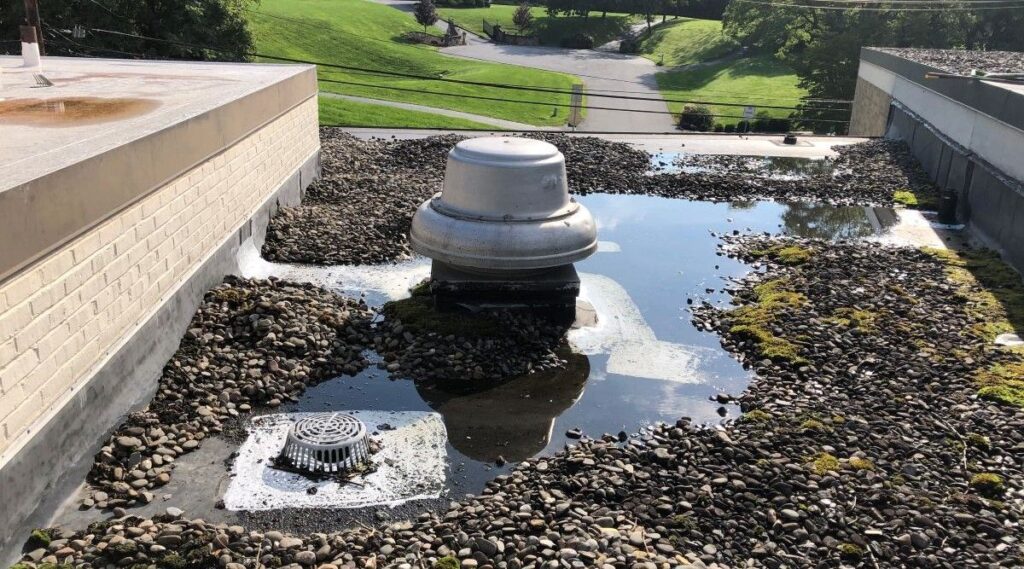
1. Clogged Drains
- Cause: Accumulation of debris like leaves, dirt, and bird nests.
- Solution: Regular cleaning and installation of strainers or covers to prevent debris from entering the drain.
2. Leaking Drains
- Cause: Damaged seals or improper installation.
- Solution: Replace damaged seals and ensure proper installation by a professional roofer.
3. Slow Drainage
- Cause: Insufficient slope or partially clogged pipes.
- Solution: Adjust the roof slope if possible and clear any blockages in the piping system.
4. Ice Dams
- Cause: Freezing temperatures causing water to back up around drains.
- Solution: Use heating cables or de-icing products to prevent ice buildup.
Why Choose Browns Roofing for Your Commercial Roofing Needs?
At Browns Roofing, we understand the unique challenges of maintaining flat roofs and their drainage systems. With locations in Baton Rouge, Shreveport, Monroe, and Little Rock, we serve commercial clients across Louisiana and Arkansas. Our team is experienced in working with modified bitumen and TPO roofs, ensuring that your roofing drains are installed and maintained to the highest standards.
We pride ourselves on our core values of honesty, forward-thinking, and excellence. When you choose Browns Roofing, you’re not just getting a roofing contractor—you’re partnering with a team dedicated to enhancing the longevity and performance of your roof.
Contact Browns Roofing Today!
Don’t let clogged or malfunctioning roofing drains compromise your commercial property. Whether you need routine maintenance, repairs, or a complete roof replacement, Browns Roofing is here to help. Contact us today to schedule a consultation and learn more about our commercial roofing services. Let us help you protect your investment and keep your roof in peak condition for years to come.
By following these tips and partnering with Browns Roofing, you can ensure that your flat roof drainage system remains efficient and reliable. Call us today or visit our website to get started!