
Upgrading your roof to a metal roof overlay is a smart and increasingly popular choice for homeowners and business owners alike. Metal roofing offers unmatched durability, energy efficiency, and a sleek aesthetic that can elevate the look of any property. However, installing a metal roof overlay is not as simple as placing metal panels over existing shingles. It’s a technical process that requires careful planning, expert craftsmanship, and attention to detail to ensure a long-lasting and high-performing roof.
In this guide, we’ll break down everything you need to know about metal roof overlays, including the role of 1×4 stripping boards, roof-to-wall flashing, ventilation, and how to choose the right metal panels for your project. Whether you’re a homeowner in Louisiana or a commercial property owner, this guide will help you make informed decisions about your roofing upgrade.
What Is a Metal Roof Overlay?
A metal roof overlay involves installing a new metal roofing system directly over an existing shingle roof. This method eliminates the need for a complete tear-off, provided the existing roof is in good condition and local building codes allow it. While this approach can save time and reduce waste, the focus should always be on the technical details to ensure the new roof performs optimally.
The Role of 1×4 Stripping Boards in Metal Roof Overlays
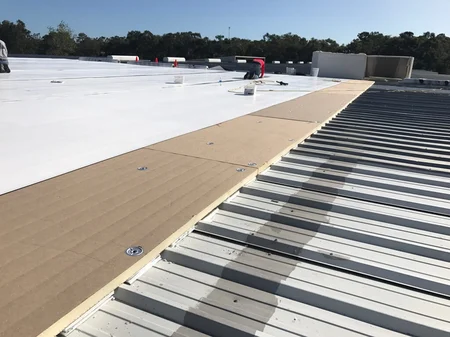
One of the most critical components of a metal roof overlay is the installation of 1×4 stripping boards (also known as furring strips). These boards are fastened horizontally across the existing shingle roof to create a solid foundation for the metal panels. Here’s why they are essential:
- Ventilation and Air Barrier: The stripping boards create an air gap between the shingles and the metal panels, allowing for proper ventilation. This air barrier helps prevent moisture buildup, reduces the risk of condensation, and improves the overall energy efficiency of the roof.
- Structural Support: The boards provide a secure surface for attaching the metal panels, ensuring they remain stable and properly aligned.
- Noise Reduction: The air gap created by the stripping boards can also help dampen noise from rain or hail, making the metal roof quieter.
Roof-to-Wall Flashing: A Critical Detail
Proper roof-to-wall flashing is essential in any metal roof installation, but it becomes even more critical in an overlay scenario. Flashing seals the transition between the roof and vertical walls, preventing water infiltration. Key considerations include:
- Siding Substrate: The type of siding on your home can impact the flashing process. Vinyl or wood siding can often be manipulated to install flashing behind it. However, stone siding presents a significant challenge, as the stone would need to be removed and replaced to achieve proper flashing. This makes stone-sided homes less suitable for metal roof overlays.
- Flashing Materials: High-quality flashing materials, such as aluminum or galvanized steel, should be used to ensure durability and long-term performance.
- Attention to Detail: Flashing must be installed with precision to avoid gaps or weak points that could allow water to penetrate the roof system.
Assessing Roof Architecture for Metal Roof Overlays
Not all homes or buildings are ideal candidates for a metal roof overlay. The steepness of the roof, the amount of roof-to-wall and siding substrate, and the overall design of the structure must be considered. Here are some factors to keep in mind:
- Roof Steepness: Metal roof overlays are best suited for roofs with a moderate to steep pitch. Flat or low-slope roofs may not provide adequate drainage for metal panels, increasing the risk of water pooling and leaks.
- Roof-to-Wall Transitions: Homes with complex roof designs, such as dormers, valleys, or multiple roof-to-wall transitions, may require extensive flashing work, making the installation more challenging.
- Siding Considerations: Homes with stone siding are generally not good candidates for metal roof overlays due to the difficulty of achieving proper flashing.
Choosing the Right Metal Panels: Gauge, Striation, and Panel Types
The type of metal panels you choose for your roof overlay plays a significant role in the performance, durability, and aesthetics of your roofing system. When selecting metal panels, it’s essential to consider the gauge, striation, and panel type to ensure the best fit for your home or building.
Metal Gauge: Thickness Matters
The thickness of metal panels is measured in gauge, with lower numbers indicating thicker metal. The gauge you choose will depend on your specific needs and environmental conditions:
- 29-Gauge: This is the thinnest and most economical option, commonly used in residential applications. While it’s suitable for areas with mild weather, it may not hold up as well in regions prone to hail or heavy snow.
- 26-Gauge: A more durable option, 26-gauge metal panels offer better resistance to dents and impacts. This makes them a popular choice for areas with moderate to severe weather conditions.
- 24-Gauge: The thickest and most robust option, 24-gauge panels are often used in high-end residential and commercial applications. They provide superior durability and are ideal for areas with extreme weather or heavy snow loads.

Striation: Reducing Oil Canning
Striation refers to the texture or pattern on the surface of metal panels. Panels with striations are designed to reduce the appearance of oil canning, which is a visible waviness that can occur on smooth metal surfaces. Here’s what to consider:
- Striated Panels: These panels feature subtle ridges or patterns that help minimize oil canning and provide a more uniform appearance. They are a practical choice for most applications.
- Smooth Panels: While sleek and modern in appearance, smooth panels are more prone to oil canning. They may require additional support during installation to maintain their aesthetic appeal.
Panel Types: Standing Seam vs. R Panel
When it comes to metal roof overlays, the type of panel you choose is just as important as the gauge and striation. Two of the most common panel types are Standing Seam and R Panel, each with its own unique characteristics and benefits.
Standing Seam Metal Panels
Standing seam panels are a premium choice for metal roofing systems. They feature raised seams that interlock, creating a sleek, modern look and superior weather resistance. Key features include:
- Hidden Fasteners: The fasteners are concealed beneath the panels, providing a clean, streamlined appearance and reducing the risk of leaks.
- Durability: Standing seam panels are highly durable and can withstand harsh weather conditions, including heavy rain, snow, and high winds.
- Longevity: With proper installation and maintenance, standing seam roofs can last 50 years or more.
- Ideal Applications: These panels are best suited for homes and buildings with simple roof designs, such as gable or hip roofs, and are particularly popular in high-end residential and commercial projects.
R Panel Metal Panels
R panels are a more economical option compared to standing seam panels. They are commonly used in both residential and commercial applications and are known for their versatility and ease of installation. Key features include:
- Exposed Fasteners: Unlike standing seam panels, R panels have exposed fasteners, which can make them more susceptible to leaks over time if not properly maintained.
- Cost-Effectiveness: R panels are a budget-friendly option, making them a popular choice for homeowners looking to upgrade to metal roofing without breaking the bank.
- Durability: While not as robust as standing seam panels, R panels still offer excellent durability and can perform well in most weather conditions.
- Ideal Applications: R panels are suitable for a wide range of roof designs, including those with moderate complexity. However, they may not be the best choice for roofs with intricate details or numerous roof-to-wall transitions.
For more information on metal panel profiles, visit Metal Roofing Alliance or Sheffield Metals.
Real-World Application: When a Metal Roof Overlay Works Best
In general, simple roof designs, such as gable roofs with minimal roof-to-wall transitions, are the easiest to retrofit with a metal roof overlay. These roofs typically require less flashing work and are less likely to encounter issues with siding or architectural complexity.
However, each roofing system should be assessed individually to ensure compatibility with a metal roofing trim-out. Factors such as the condition of the existing shingles, the presence of adequate ventilation, and the ability to achieve proper flashing must all be considered.
Conclusion: Trust Browns Roofing LA for Your Metal Roof Overlay
Installing a metal roof overlay is a technical process that requires careful planning and expertise. From the installation of 1×4 stripping boards to the intricacies of roof-to-wall flashing and selecting the right metal panels, every detail matters. At Browns Roofing LA, we specialize in both residential and commercial roofing projects, including metal roof overlays.
If you’re ready to upgrade your roof with a metal overlay, contact Browns Roofing LA today. With locations in Baton Rouge, Shreveport, Monroe, and Little Rock, we’re here to provide top-notch service and expert guidance. Call us now or visit our website to schedule a consultation and take the first step toward a durable, energy-efficient, and stunning metal roof!