
When it comes to flat roofing systems like TPO (Thermoplastic Polyolefin) and PVC (Polyvinyl Chloride), the right materials can make all the difference in performance, durability, and cost-effectiveness. One often-overlooked but essential component of a high-performing flat roof is the coverboard. In this guide, we’ll break down what coverboards are, why they’re important, the different types available, and how they can impact your roof’s performance and insurance ratings. Whether you’re considering flat roof repairs or a new roof installation, understanding coverboards is key to making an informed decision.
What is a Coverboard and Why Do You Need One?
A coverboard is a thin, durable layer installed between the roof insulation and the single-ply membrane in a flat roofing system. While it might seem like an optional addition, coverboards play a critical role in protecting your roof and extending its lifespan.
Why Coverboards Matter:
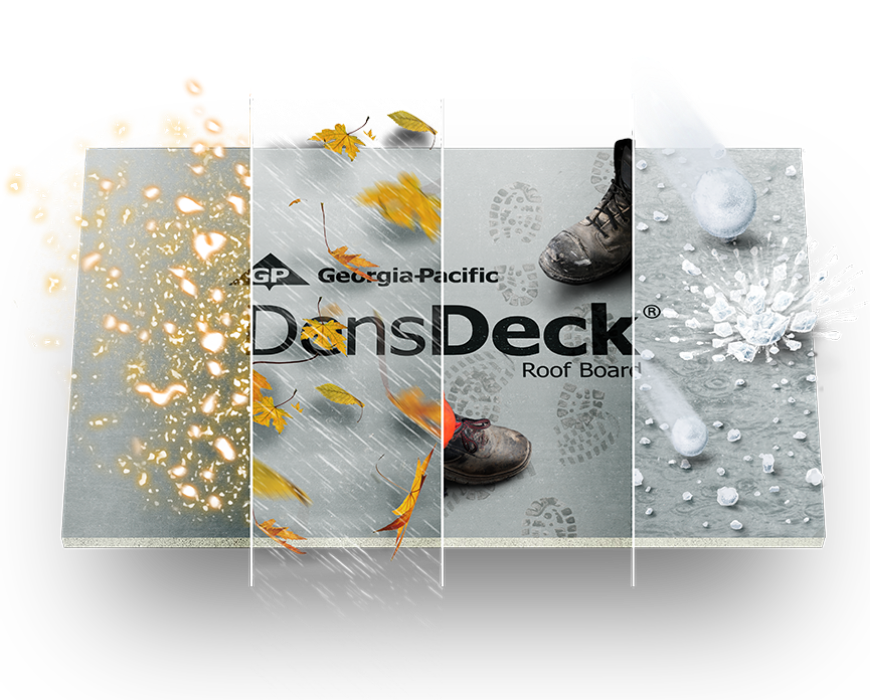
- Impact Resistance: Coverboards protect the insulation and membrane from damage caused by foot traffic, hail, and other impacts.
- Fire Resistance: Many coverboards are fire-rated, helping your roof meet building codes and insurance requirements.
- Moisture Protection: Certain coverboards resist water absorption, preventing damage to the insulation and membrane.
- Wind Uplift Resistance: Coverboards improve the roof’s ability to withstand high winds, a crucial factor in areas prone to storms.
- Dimensional Stability: They provide a stable surface for the membrane, preventing warping or compression of the insulation over time.
In short, a coverboard is not just an added layer—it’s a vital component that enhances the durability, safety, and performance of your flat roof.
Polyiso vs. Coverboard: What’s the Difference?
It’s easy to confuse polyisocyanurate insulation (Polyiso) with coverboards, but they serve very different purposes in a roofing system.
Polyiso Insulation:
- Purpose: Provides thermal insulation to improve energy efficiency.
- Material: A rigid foam board with a high R-value, making it an excellent insulator.
- Placement: Installed directly over the roof deck or vapor barrier.
Coverboard:
- Purpose: Protects the insulation and membrane while enhancing the roof’s overall performance.
- Material: Made from materials like gypsum, fiberglass, or high-density polyiso, designed for strength and durability.
- Placement: Installed on top of the insulation, directly beneath the single-ply membrane.
While Polyiso focuses on energy efficiency, coverboards are all about protection and performance. Together, they create a robust roofing system that can withstand the elements and meet building code requirements.
Types of Coverboards for Flat Roofs
There are several types of coverboards available, each designed to meet specific performance needs. Here’s a closer look at some popular options:
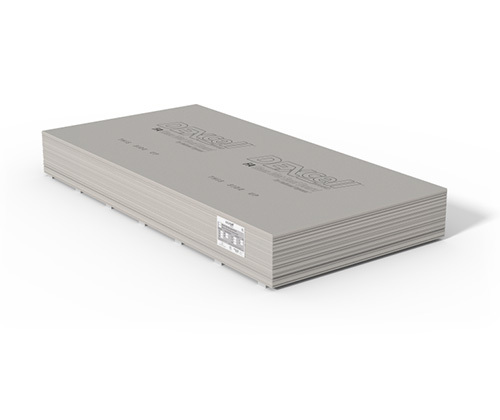
1. Dexcell 1/4″ Coverboard
- Material: Glass-mat-faced gypsum board.
- Thickness: 1/4 inch.
- Best For: Lightweight applications where additional protection is needed without adding significant weight to the roof assembly.
- Benefits: Provides a smooth surface for membrane adhesion and enhances fire resistance.
- Manufacturer Reference: Dexcell Glass Mat Roof Board by National Gypsum
2. Dexcell 1/2″ Coverboard
- Material: Similar to the 1/4″ version but thicker for added durability.
- Thickness: 1/2 inch.
- Best For: Roofs that experience moderate foot traffic or occasional impact.
- Benefits: Offers greater impact resistance and dimensional stability compared to thinner options.
- Manufacturer Reference: Dexcell Roof Board by National Gypsum
3. VSH (Very Severe Hail) Coverboard
- Material: High-density gypsum or fiberglass-reinforced board.
- Thickness: Typically 1/2 inch or more.
- Best For: Areas prone to severe hailstorms or extreme weather conditions.
- Benefits: Specifically designed to withstand the impact of very severe hail, making it an excellent choice for buildings in hail-prone regions.
- Manufacturer Reference: DensDeck StormX Prime Roof Board by Georgia-Pacific
Each type of coverboard has its own strengths, and the right choice depends on factors like climate, building use, and budget. At Browns Roofing, we help you select the best option for your specific needs.
Coverboards and Insurance: The Role in Roof Ratings
Coverboards don’t just protect your roof—they can also impact your building’s insurance premiums and compliance with local building codes. Many insurance companies and building codes require specific performance ratings for flat roofs, and coverboards are often a key component in meeting these standards.
Factory Mutual (FM) Guidelines:
Factory Mutual (FM) Global, a leading insurance company, has established stringent guidelines for roofing systems. Coverboards are often essential for:
- Wind Uplift Resistance: Coverboards help distribute wind forces across the roof assembly, reducing the risk of membrane blow-off.
- Fire Resistance: Many coverboards are fire-rated, helping the roof assembly achieve the necessary fire performance standards.
- Impact Resistance: High-performance coverboards like VSH are essential for meeting FM’s severe hail impact standards.
By incorporating the right coverboard into your roofing system, you can enhance its performance, meet insurance requirements, and potentially lower your premiums.
Why Not All Flat Roof Assemblies Are Equal
At Browns Roofing, we understand that every building is unique, and a one-size-fits-all approach simply doesn’t work when it comes to roofing. That’s why our account managers are highly trained to design tailored roofing systems that meet your specific needs. Whether you’re looking for a durable solution for a hail-prone area or a cost-effective option for a low-traffic roof, we have the expertise to deliver a solution that works for you.
Call to Action: Let Browns Roofing Tailor Your Roof System
Not all flat roof assemblies are created equal, and the right coverboard can make all the difference in the performance and longevity of your TPO or PVC roofing system. At Browns Roofing, we specialize in designing customized roofing solutions that meet your building’s unique needs. Whether you’re planning a new roof installation or need flat roof repairs, our knowledgeable account managers are here to help. Contact us today to schedule a consultation and learn how we can protect your investment with a tailored roofing system.
By understanding the role of coverboards in flat roofing systems, you can make informed decisions that enhance your roof’s performance, durability, and cost-effectiveness. Let Browns Roofing be your trusted partner in creating a roof that stands the test of time.